
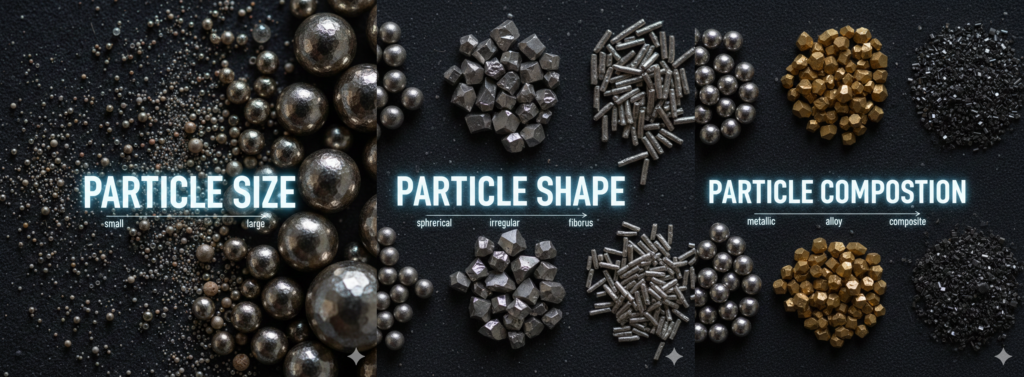
The first unit of the FPS Core Facility is centered on the detailed characterization and understanding of particle and surface properties. Expertise as well as state-of-the-art equipment and scientific infrastructure is provided by the Institute of Interfaces and Particle Technology (IPT), currently headed by Prof. Nicolas Vogel.
The institute develops particle systems along the entire process chain – from tailored particle syntheses approaches, via their self-organisation into defined structural hierarchies, to the optimization of functional properties in the resulting macroscopic materials.
Within the core facility, a wide spectrum of analytical tools will become available to users with an interest in in-depth characterization of particle systems and surfaces.
The team of the Institute of Interfaces and Particle Technology is looking forward to providing expertise and to assist you in finding the optimal solution for your desired research questions and applications.
Equipement for particle size characterization…
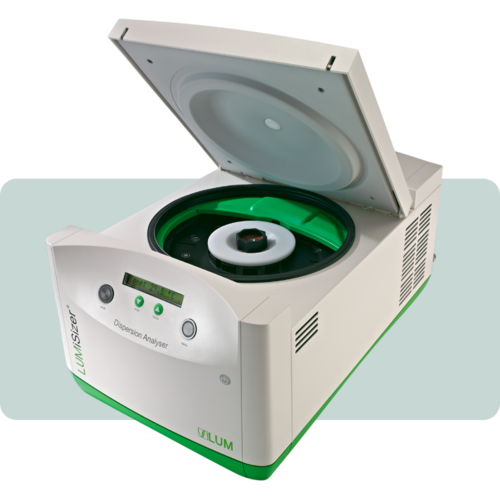
LUMiSizer
Dispersion analyzer for the determination of particle size distribution, droplet size distribution, separation velocity, Sauter diameter, particle magnetization, density distribution, Hansen solubility/dispersibility parameters, sedimentation, creaming, agglomeration, flocculation, coalescence, emulsification, dispersibility, shelf life (comparative & predictive) and direct accelerated stability analysis.
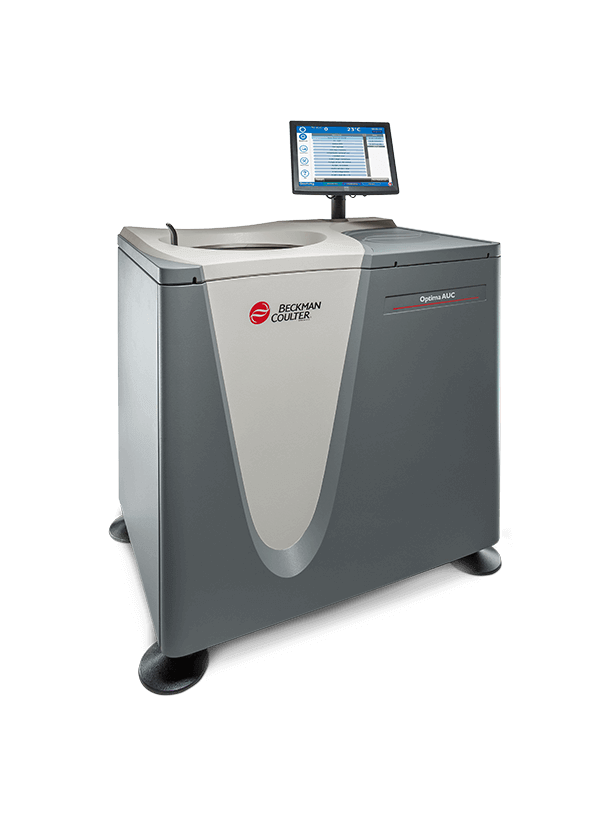
Optima
Analytical ultracentrifugation is one of the most versatile and accurate methods for characterizing proteins, macromolecules, nanoparticles and other heterogeneous mixtures. Analytical ultracentrifugation provides direct access to the size, density and shape of particulate systems. The principle of sedimentation analysis is based on the optical detection of radius- and time-resolved signals. An important distinguishing feature of analytical ultracentrifuges is their detection systems.
Leica TSC SP5 II
The Leica TCS SP5 confocal microscope covers a wide range of confocal and multiphoton imaging requirements with outstanding overall performance. The system offers the full range of scanning speeds at the highest resolution. With its proven, highly efficient SP detection (up to five channels simultaneously) and the optional AOBS (Acousto Optical Beam Splitter), the Leica TSC SP5 delivers bright, noise-free images with minimal photodamage at high speed.
CPS DC 24000
Disc centrifugation is a proven sedimentation-based method for accurate, high-resolution particle size measurement. Particle size determination in the range of 3 nm to 75 μm with high resolution, accuracy, detection sensitivity and a wide dynamic measurement range. For all samples that can be dispersed in an aqueous solution or in organic solvents. It is also possible to measure suspended particles that do not settle.
Nano ZS ZEN 3600
Simple and straightforward instrument for determining particle size, molecular weight and zeta potential of nanoparticles in dispersion. Suitable for all samples dispersed in aqueous solution or organic solvents.
Mastersizer 3000+ Ultra
The Mastersizer 3000+ is your reliable partner for particle size analysis. It provides consistently robust data plus digital and artificial intelligence-based solutions to support critical decisions in your R&D and production operations. Built on Malvern Panalytical’s years of experience, the Mastersizer 3000+ uses laser diffraction to measure the particle size and size distribution of your materials. With its wide size range and world class accuracy, you can be confident in your results. And if you get unexpected results, you have the tools you need to investigate. Combined with the flexibility, ease of use and additional accessories for dynamic imaging, the Mastersizer 3000+ is truly the first choice for particle sizing and beyond. The key applications include: powder flowability, packing density, stability, viscosity and flow, dissolution rates, ease of inhalation reaction rates, optical properties, consumer perception, and curing properties.
NanoSight Pro
With the introduction of the NanoSight Pro, Malvern Panalytical offers the world’s most advanced, simple and rapid NTA solution for nano- and biomaterial characterisation.
The combination of advanced engineering and a blend of intelligent features ensures that NTA measurements are efficient, fast and accessible to all users. Powered by machine learning, NS Xplorer software enables automated measurements, removes subjectivity and provides the highest quality size and concentration data for both light scattering and fluorescence analysis.
Interchangeable lasers allow for application flexibility, while the Smart Manager connection ensures robustness without worrying about quality issues or downtime.
Axio Imager
Light microscopes for quality inspection, quality assurance, materials analysis and new materials development. They feature improved optics with outstanding contrast and resolution. The stand concept offers maximum flexibility, maximum stability and vibration-free operation. All Axio imagers are equipped as standard with AxioVision software and the AxioCam digital camera family, comprehensive image processing, analysis and measurement modules as well as precisely positioned x,y scanning stages.
LabRAM HR
The LabRAM HR Raman microscope is a fully achromatic spectrometer that covers a very broad spectral range from 200 nm to 2200 nm thanks to its multi-laser and multi-detector capabilities. The optional InGaAs detector extends the detection range into the NIR up to 2200 nm, allowing the spectrometer to be used for infrared photoluminescence spectroscopy. Typical applications include band gap determination, recombination monitoring and quality control of various materials. The optimisation of all optical components leads to the highest spatial resolution at the diffraction limit. Furthermore, the instrument combines high sensitivity with maximum spectral resolution thanks to its 800 mm high-throughput spectrometer.
TSI Model 3082
The SMPS is suitable for measuring the particle size distribution of gas-borne nanoparticles (< 1 m) and consists of two units: the Electrostatic Classifier (TSI Model 3080) with Differential Mobility Analyzer (DMA) and Kr-85 Neutralizer (TSI Model 3077) and the Condensation Particle Counter (TSI Model 3776).
Equipement for shape characterization…
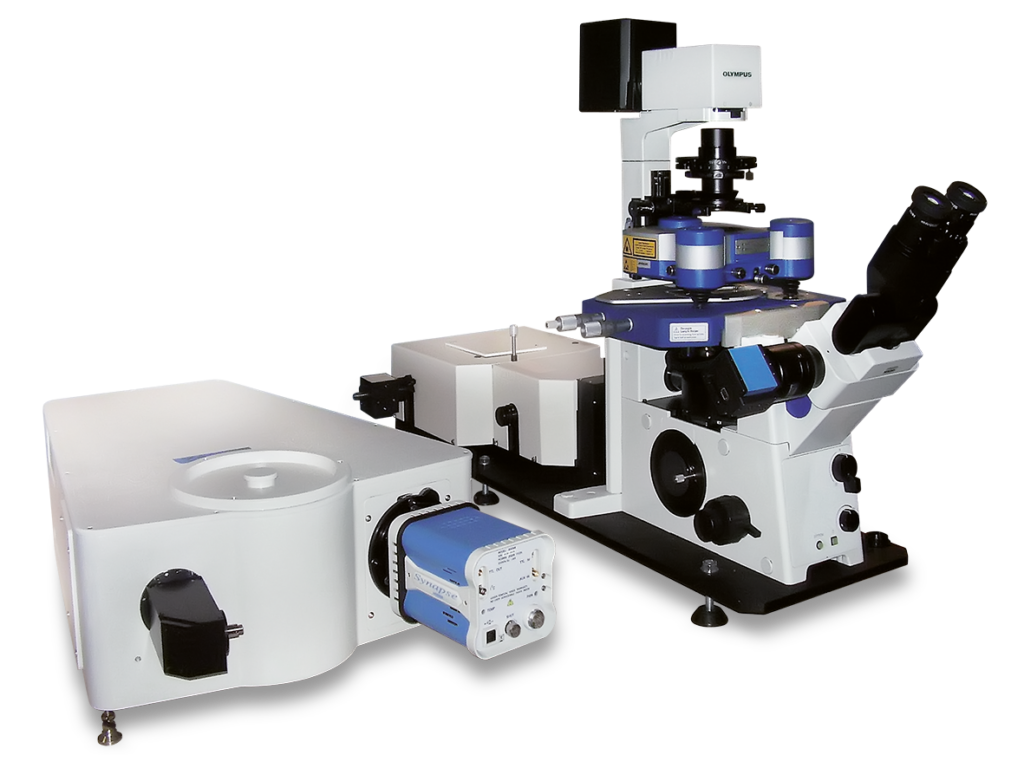
NanoWizard® 3
The NanoWizard® 3 is an AFM system designed for optimal use in liquid characterization, but can also be used in air or a controlled environment. It provides the highest quality data for imaging and force measurements in both liquids and air. The NanoWizard® 3 is easy to set up and ready to use in minutes with full optical imaging capability, allowing the user to select high NA (numerical aperture) immersion objectives and a wide range of detectors and cameras to suit their experimental requirements.
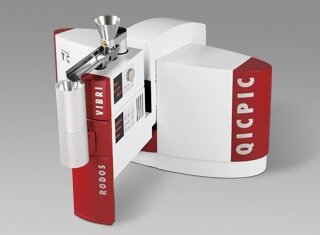
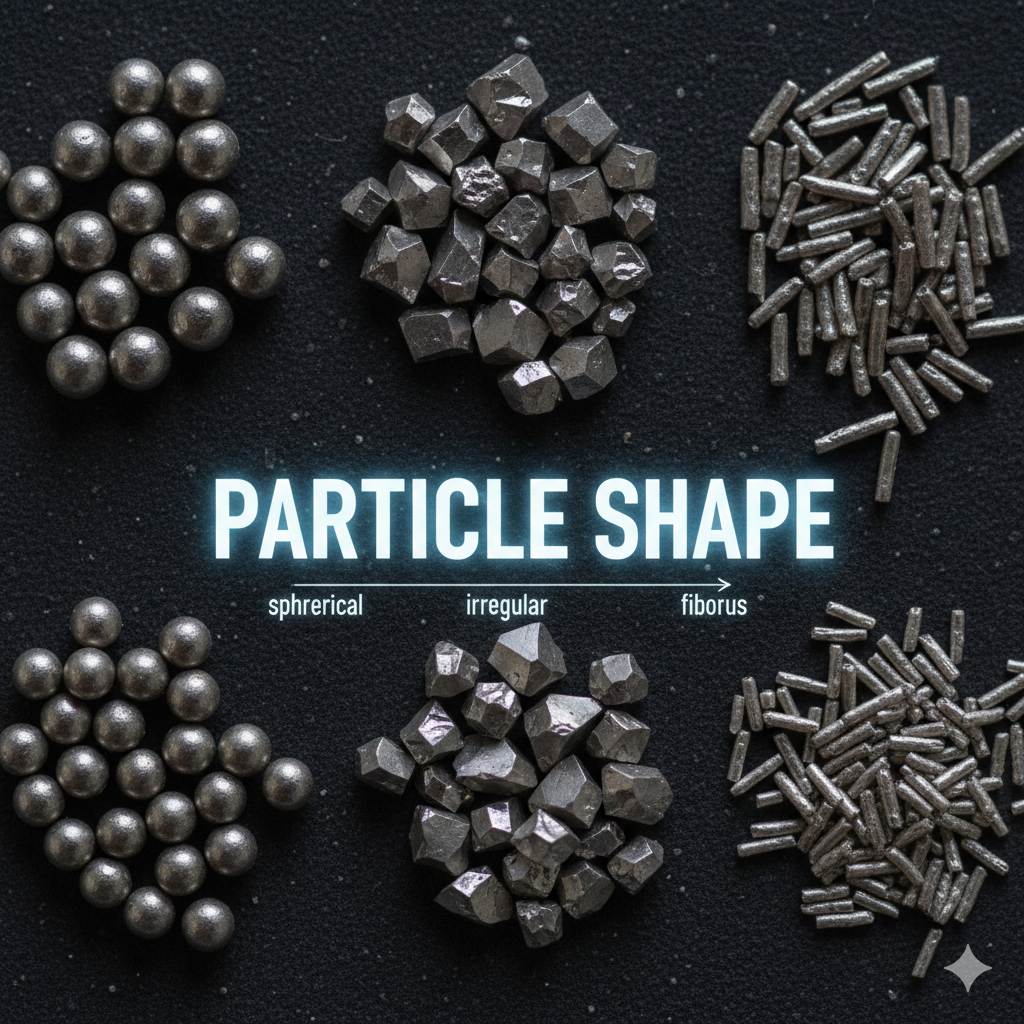
QICPIC
Dynamic image analysis for universal particle shape detection from < 1 µm to 34,000 µm. Suitable for reliable and fast determination of particle size, shape and number. A pulsed light source optically freezes the moving particles with exposure times in the nanosecond range, while a high-resolution high-speed camera captures razor-sharp images of the particle projections at up to 500 frames per second. Using powerful algorithms, QICPIC analyses millions of particles in a very short time and guarantees outstanding statistical reliability of results.
GeminiSEM500
Scanning electron microscopes (SEMs) scan samples with a focused beam of electrons and capture images that provide information about the sample’s topography and composition. SEM images provide high-resolution, surface-sensitive information and material contrast – ideal for characterization in nanotechnology, materials research, life sciences, semiconductors, raw materials and industrial applications.
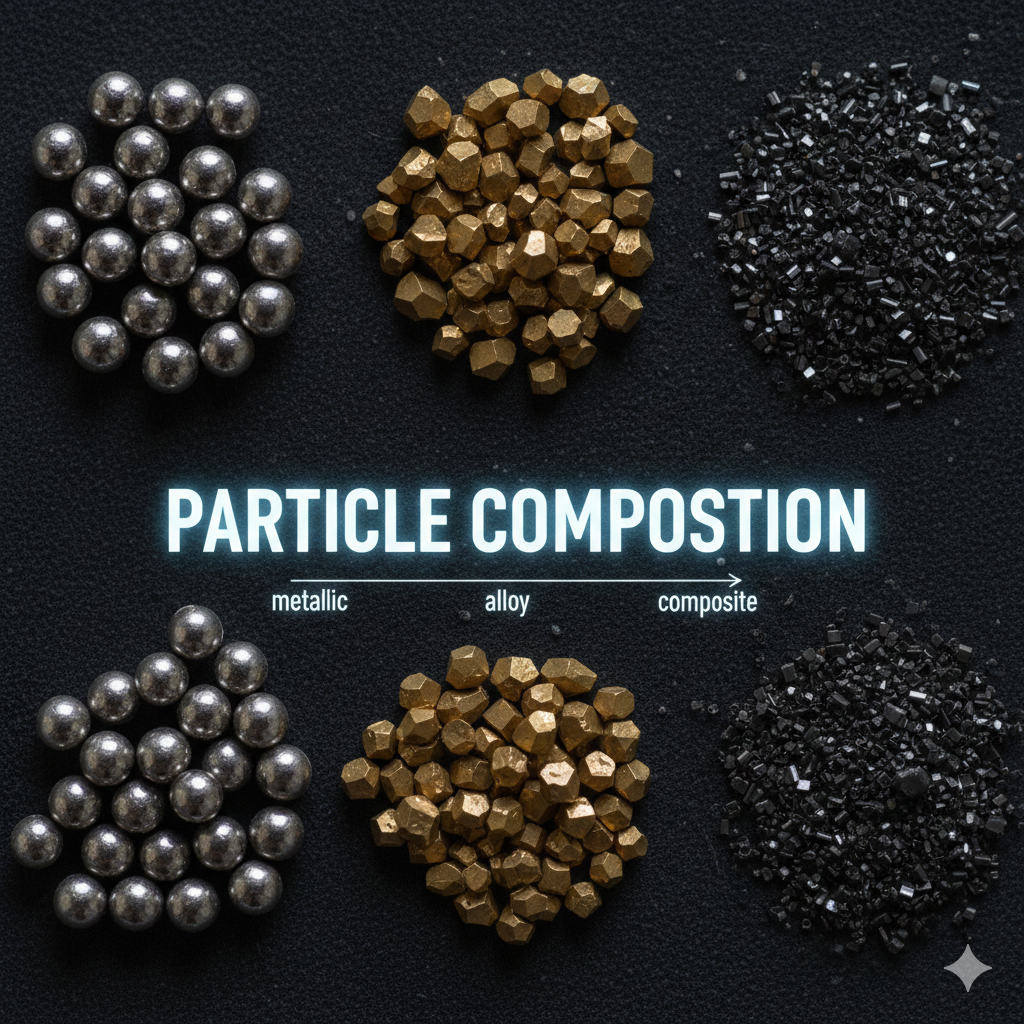
Equipement for composition characterization…
DSC 216 Polyma
The DSC 214 Polyma is the system solution for efficient polymer characterization. It is easy to use, robust, precise and optimized for practical applications. The unique instrument concept includes everything necessary for successful DSC testing, regardless of the user’s level of experience.
This ISO 11357-1 compliant measurement technique involves subjecting a sample and a reference to a controlled temperature programme (heating, cooling or isothermal). The properties actually measured are the temperature of the sample and the temperature difference between the sample and the reference. Finally, the difference in heat flow between sample and reference can be determined from the raw data signals. The DSC 214 Polyma is based on relevant instrument and application standards such as ISO 11357 1-7.
Optima 8300
ICP-OES is an elemental analysis method used to analyze trace elements in solutions. The method is characterized by short analysis times, low sample preparation effort, multi-element detection and high sensitivity. The instrument is easy to use, allows high throughput and has very low detection limits.
Concept 40 Turnkey Top Class
Impedance spectroscopy is used to determine the AC resistance (equivalent to impedance) as a function of the frequency of the AC current. The AC resistance is determined over a defined frequency spectrum. Novocontrol Techn. impedance spectrometers are turnkey broadband dielectric spectrometers with temperature control and data acquisition system. They provide measurement results of the highest accuracy due to their high resolution.
TGA 2 Star
Thermogravimetric analysis is used to determine the composition of materials and their thermal stability at temperatures up to 1000°C. It uses an integrated ultra-fine balance to measure the weight change and rate of weight change of a material as a function of temperature or time in a controlled atmosphere. Weight loss or gain can be attributed to, for example, evaporation, decomposition, reduction or oxidation. The method is particularly suitable for determining the composition of multi-component systems, the thermal stability, oxidation stability, decomposition kinetics of materials, and the moisture content or volatile components of materials.
Empyrean
An X-ray diffractometer is an instrument used to study the structure of crystalline phases in materials. X-ray diffraction takes place in the sample and the diffraction angles and intensities are measured.
Additional equipement…
FluoroLog-3
The basic configuration of this photoluminescence spectrometer consists of monochromators with gratings in the excitation and emission positions and a red sensitive photomultiplier. Intensity correction up to 850 nm is available as an option. The instrument offers excellent sensitivity and performance for a wide range of experimental requirements.
iGC Surface Energy Analyzer
The Inverse Gas Chromatography Surface Energy Analyser (iGC-SEA) is the ideal instrument for determining surface energy properties. The unique SMS injection system provides a wide range of injection concentrations with unrivalled accuracy and reproducibility.
TAM III
Isothermal titration calorimetry for the determination of thermodynamic parameters of various binding processes. The instrument provides research quality results for a wide range of samples over a wide temperature range.
Mütek PCD-06
The Mütek™ PCD-06 Particle Charge Detector measures the charge of colloidally dissolved substances in aqueous samples. In aqueous systems, both solid particles and colloidally dissolved substances carry electrical surface charges, a phenomenon that occurs in suspensions and emulsions. These charges influence the interaction of suspended and dissolved substances with chemical additives.
QCM-D QSense Explorer
The QSense Explorer provides real-time analysis of molecular interactions on surfaces and interfaces under a variety of measurement conditions. It can be used to quantitatively and qualitatively determine the mass and thickness of viscoelastic properties of rigid and flexible films. It also offers a high degree of flexibility, with full freedom of interaction during measurements and easy switching between different test setups. Compatibility with an extended temperature range chamber of 4 – 150°C allows measurements to be taken at extreme temperatures. The QSense Explorer can also be combined with other techniques such as electrochemistry, ellipsometry or microscopy using a standard measurement chamber. In addition, a wide range of sensor surfaces and coatings are available to create model systems as realistically as possible.
The following phenomena can be analyzed: adsorption, desorption, binding and interaction, swelling/deswelling, cross-linking, decomposition, degradation, corrosion and etching. Measurements can be performed under the following conditions: Flow mode, stagnant mode, gas phase (additional module required), liquid phase, aggressive chemicals, low temperature (additional module required), high temperature (additional module required), humidity (additional module required), variable pressure (additional module required) and inert surfaces (additional module required).
LUMiSpoc
Single particle cytometer for high-precision characterisation of individual particles and determination of particle concentrations. Suitable for resolving monomodal, multimodal and polydisperse size distributions of individual particles with high resolution.
Features include high count rate (high frequency digitisation, pulse analysis & classification), wide dynamic range (particle sizes from 40 nm to 8 µm) without changing components, small sample volumes of only 250 µl, short measurement times and easy operation (measurement, rinsing). Calibration corresponds to a one-point calibration with reference particles.
Krüss, DSA 100S
Contact angle measuring instruments are used to wet surfaces with liquids in order to analyze the interactions between the solid and liquid phases.
Cary 7000 with External Diffuse Reflection
Universal measuring spectrometer for the UV-Vis-NIR range, particularly suitable for the characterization of solid samples. The integrated UMA (Universal Measurement Accessory) allows multi-angle reflectance and transmittance measurements. The instrument can record hundreds of UV-Vis-NIR spectra or optical components and thin films overnight in minutes to hours instead of hours to days.
The integrated external DRA (Diffuse Reflectance Accessory) enables variable angle reflectance, transmittance or absorbance measurements of diffuse, specular or mixed samples as solids or in solution.